


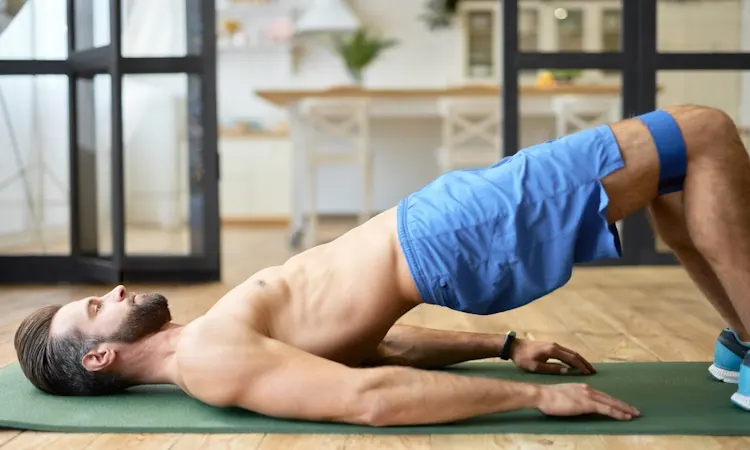
Most guys think erections are “all about blood flow.” Blood flow matters, but it’s not the whole story. The pelvic floor is a set of muscles that sits under your pelvis like a supportive sling, and it plays a real role in erection firmness, control, and staying power.
Using the pelvic floor for (stronger erections) isn’t a magic cure, and it won’t fix every cause of ED. Still, many men can improve erection quality by training better muscle function, improving support for blood trapping, and reducing “leakage” of pressure during arousal. The best part is these exercises are low-cost, private, and simple, but they only work if you stay consistent for weeks.


One quick safety note: if you have pain, numbness, blood in your urine, or sudden erectile problems, get checked by a clinician.
How your pelvic floor affects erection strength (and why it is more than “just blood flow”)
Picture the pelvic floor like the foundation under a house. When the foundation is steady, the structure above it holds up better. In your body, the pelvic floor muscles sit between the tailbone and pubic bone. They support the bladder and bowel, help control urine and gas, and also assist sexual function.
During an erection, blood fills spongy tissue inside the penis. To stay firm, your body needs to keep that blood “trapped” under pressure. This is where pelvic floor strength and timing matter. When the right muscles contract, they can help compress veins that would otherwise let blood drain out too fast. In other words, better pelvic floor function can support firmness and help an erection last longer.
Two muscles often mentioned are the bulbocavernosus and ischiocavernosus. You don’t need to memorize those names. What matters is what they do:
- They can help increase rigidity by boosting pressure at the base.
- They can support a firmer erection angle for some men.
- They can improve control during sex by coordinating contraction and relaxation.
For a plain-language explanation of how pelvic floor muscles connect to erectile dysfunction, see Healthy Male’s overview of pelvic floor and ED.
Muscles also respond to lifestyle. Stress can make you clench without noticing. Long hours sitting can change how these muscles fire, especially if your posture collapses and your breathing stays shallow. Even “chest breathing” during the day can matter, because the diaphragm and pelvic floor often move together. If one gets stuck, the other tends to follow.
If your pelvic floor is weak, you may not get enough support. If it’s too tense, you may not get enough release. Either way, erections can suffer.
Strong vs tight: why overdoing kegels can backfire
A common mistake with kegel men routines is assuming “more squeeze” is always better. Strength and tension aren’t the same.
A weak pelvic floor struggles to contract and hold. A tight pelvic floor stays clenched and has trouble letting go. When muscles live in a half-contracted state, they fatigue faster and can get irritated. That can work against erection quality and comfort.
Signs you may be too tense include pelvic ache or pressure, burning sensations, trouble starting urine, feeling like you can’t fully relax, and pain after sex. Some men also notice constipation, hip tightness, or a “guarded” belly.
If any of that sounds familiar, start with relaxation skills before heavy strengthening. If symptoms stick around, a men’s pelvic health physiotherapist can assess what’s happening and guide you safely.
Quick self-check: do you likely need strength, relaxation, or both?
This isn’t a diagnosis, but it can help you choose a safer starting point.
If you notice urine leaks when you cough, sneeze, or laugh, you may need more strength and endurance. If you have dribble after peeing, you may benefit from better coordination and a stronger “finish” contraction. On the other hand, if you clench during stress, hold your breath often, or feel pelvic soreness after workouts or sex, you may need relaxation first.
A simple rule: pain means slow down. If pain is present, start with down-training (relaxation and breathing), then add gentle strength later. When in doubt, get help.
Find the right muscles without guessing (simple cues that work for most men)
The hardest part of pelvic floor exercises is knowing you’re doing the right thing. Many men accidentally squeeze glutes, brace abs hard, or clench thighs. That turns a precise exercise into a full-body strain.
Try these cues instead. Aim for a gentle, internal lift, not a hard squeeze.
First, use the “stop gas” cue. Imagine you’re preventing gas from passing. That subtle closing and lift is close to the pelvic floor action you want.
Next, think “lift the base of the penis.” It’s a mild drawing-in feeling at the base, not a push down. Some men feel a slight lift in the scrotum area too.
A third cue is a “gentle lift inside the pelvis.” Think of pulling a small elevator up one floor, then setting it back down smoothly.
You can do a one-time awareness check by briefly stopping urine midstream, but don’t use that as regular training. It can irritate the bladder and teach the wrong pattern if you repeat it.
For step-by-step guidance and clear do’s and don’ts, Cleveland Clinic’s page on how to do Kegel exercises for men is a solid reference.
Breathing makes the movement easier. Inhale and let the belly soften so the pelvic floor can relax downward. Then exhale and gently lift. Keep your face and shoulders relaxed. If you feel strain in your neck, you’re trying too hard.
Common mistakes that make pelvic floor exercises less effective
- Holding your breath: Exhale during the lift, inhale to release.
- Squeezing glutes: Keep butt cheeks soft and heavy.
- Pushing down: Think “lift and close,” not “bear down.”
- Doing too many reps: Start small, then build over weeks.
- Only training sitting: Begin lying down, then progress.
- Expecting overnight results: Track trends over 3 to 8 weeks.
The big theme is control. Clean reps beat tough reps.
When core stability helps (and when it steals the work)
Your deep core and pelvic floor work as a team. When you exhale, your lower abs can gently draw in while the pelvic floor lifts. Done right, it feels like a quiet “wrap” around the lower belly.
Problems show up when “core stability” turns into full bracing. A hard crunch-like brace can lock your ribs down and reduce pelvic floor movement. It can also make you push down instead of lifting.
Use this cue: zip up gently, not a full crunch. Your pelvis should stay neutral, not tucked hard. When you get that balance, pelvic floor exercises tend to feel clearer and more effective.
A 6 week pelvic floor plan for stronger erections (strength, endurance, and control)
This plan builds three skills: strength (a clean lift), endurance (holding without shaking), and control (quick on and off). You’ll also train full relaxation, because tight muscles don’t perform well.
Practice most days, but keep sessions short. Five to eight minutes is enough when your form is solid. Start lying down, move to sitting, then progress to standing. Many men notice changes in 3 to 8 weeks, especially if they also reduce long sitting and manage stress. Improvements can show up as better firmness, less “losing it” mid-moment, and more confidence from control.
Here’s the big picture before the details:
| Weeks | Main goal | What you practice | Effort level |
|---|---|---|---|
| 1 to 2 | Learn coordination | Gentle lifts plus full relaxations | 30 to 50% |
| 3 to 4 | Build endurance | Longer holds with more rest | 40 to 60% |
| 5 to 6 | Add control | Quick pulses plus resets | 40 to 60% |
The takeaway: you’re training a skill, not chasing a max squeeze.
For more context on how pelvic floor fitness can connect to sexual function, see kGoal’s explanation of pelvic floor and better sex for men.
Week 1 to 2: learn the lift and the full relax
Do this once per day. If you feel sore, switch to every other day.
Start lying on your back with knees bent. Place one hand on your lower belly to remind yourself not to brace hard.
Do 1 to 2 sets of the following:
- Inhale, let the pelvic floor soften and drop.
- Exhale, gently lift the pelvic floor.
- Hold 3 seconds, then fully release for 3 seconds.
- Repeat 6 to 8 reps.
After the reps, do 5 slow breaths. Focus on letting go, especially on the inhale. Keep effort light, about 30 to 50 percent. If you shake, cramp, or feel pressure, reduce intensity.
Form checkpoints: no butt squeeze, no thigh clench, no breath holding. The movement should feel controlled and quiet.
Week 3 to 4: add endurance holds for firmness and erection angle
Now you’ll build “staying power.” Endurance helps a muscle maintain a job without fatigue, which may support firmness and erection angle for some men.
Do this routine most days:
- 1 to 2 sets
- 5 to 6 reps
- Hold 5 to 8 seconds
- Rest 8 to 10 seconds between reps
Keep breathing during the hold. That’s the whole point. If you can’t breathe normally, the hold is too hard.
Don’t chase a max contraction. Think of a steady, medium lift you can control. Also, end each rep with a complete release. That reset helps prevent the “tight pelvic floor” problem that makes some men feel worse.
Week 5 to 6: add quick pulses to support control and reduce “losing it” mid-sex
Quick contractions train timing. Timing can matter when arousal changes quickly or when you want better control.
Add this at the end of your Week 3 to 4 routine:
- Do 5 to 10 quick pulses, each about 1 second on, 1 second off
- Do 1 to 2 sets
- Finish with two slow breaths and a full relaxation
Keep the pulses sharp but not aggressive. Your body shouldn’t jerk. If your abs or glutes take over, slow down.
Some men also use pelvic floor training as part of premature ejaculation exercises, because control and relaxation can influence timing. Still, it’s only one piece. Arousal control, anxiety, relationship stress, sleep, and alcohol can all play roles.
Troubleshooting, results, and when to see a men’s pelvic floor physiotherapist
Progress often shows up in small wins first. You might notice less dribble after urinating, better ability to “turn off” clenching, or improved confidence because you can control the muscles on purpose. Firmness changes can follow, especially when endurance improves.
If something feels off, adjust early:
- If you feel cramping: reduce effort, increase rest, and cut reps in half for a week.
- If symptoms increase (pain, burning, pressure): stop strengthening and focus on relaxation and breathing for several days.
- If you can’t feel the muscles: switch positions (lying down helps), place a hand on your glutes to keep them relaxed, or get coaching.
- If you only remember at night: link practice to a daily habit, like brushing teeth.
Lifestyle supports help the pelvic floor do its job. Daily walking improves circulation and reduces stiffness. Break up sitting with a 2-minute stand each hour. In addition, hydration and fiber reduce straining in the bathroom. Sleep matters too, because fatigue and stress can increase clenching.
When should you see a pro? Get medical advice for pain, urinary changes, numbness, blood in urine, major or sudden ED, or concerns tied to diabetes, heart disease, or pelvic surgery. A pelvic health PT can assess strength versus tension and tailor physiotherapy men plans to your body. If you want a research-based look at this approach, read the Nature review on pelvic physical therapy for male sexual disorders.
If you’re not improving after 6 to 8 weeks, don’t force more reps. Get a better plan.
Conclusion
The pelvic floor isn’t a side topic, it’s part of the system that supports erection firmness, control, and comfort. Pelvic Floor for (stronger erections) works best when you train the right mix of strength and relaxation, not just endless squeezing.
Commit to the 6-week plan, keep the effort moderate, and track small changes like better control, less fatigue, or improved firmness. Avoid the temptation to “go hard” when you start feeling progress, because overdoing kegels can backfire. If you notice pain or a sudden change in erections, talk with a clinician, and consider a men’s pelvic floor physiotherapist for a plan that supports male vitality.

Machivox delivers research-informed men’s health insights designed to support strength, steady energy, balanced hormones, and long-term vitality. You’ll find clear, practical guidance on training, nutrition, performance, and mental resilience, so you can feel stronger, stay consistent, and show up at your best every day.
- Disclaimer: This information is for education only and doesn’t replace medical advice. Always talk with a qualified healthcare provider before you make health decisions. Please read our full Medical Disclaimer here.