



Nitric oxide is a natural signal your body makes that helps blood vessels relax and widen. When blood vessels open up, blood moves more easily, which can support better workouts, steadier energy, and stronger erections.
That’s why a nitric oxide boost gets talked about in gyms and men’s health chats. Still, it’s not a magic switch. Sleep, stress, hormones, and heart health all shape performance.
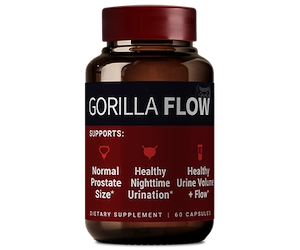
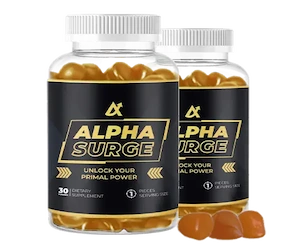
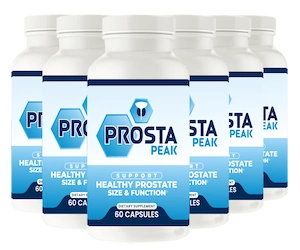
Below, you’ll learn what nitric oxide does, how to increase nitric oxide naturally, when supplements may help, and what safety checks matter most.
Nitric oxide, blood flow, and erections, the simple science
Think of your blood vessels like flexible garden hoses. When they’re relaxed, flow improves. Nitric oxide helps your vessel walls loosen, which supports circulation throughout the body.
For erections, blood flow is the main event. Sexual arousal triggers nitric oxide release in penile tissue. That signal helps smooth muscle relax, so more blood can enter and stay during an erection. This is why people connect nitric oxide and erections.
The same blood flow story shows up in training. Better circulation can support warm-ups, a stronger “pump,” and recovery. Also, healthy vessel function ties closely to heart health, which matters for long-term sexual function too.
If you want a deeper medical overview of who may benefit and who should avoid nitric oxide products, see this doctor’s note on nitric oxide supplements and ED.
A helpful mindset: nitric oxide supports the system (blood flow), but your daily habits decide how well that system runs.
How the body makes nitric oxide (and what can get in the way)
Your body makes nitric oxide in two main ways:
- Amino acid pathway: Your body uses L-arginine to produce nitric oxide. L-citrulline helps too because it can raise arginine levels in the blood.
- Dietary nitrate pathway: Nitrates from certain vegetables can convert into nitric oxide through steps that start in the mouth and continue in the body.
A few common things can slow nitric oxide production or damage vessel function over time: smoking, lots of ultra-processed foods, chronically high blood sugar, aging, poor sleep, low activity, and high stress. The good news is most of those are changeable.
What improved blood flow can feel like in real life
When nitric oxide blood flow improves, the changes often feel practical, not dramatic. For example, warm-ups may feel smoother, and you might hit working sets sooner. Some men notice better endurance on cardio days. Others report a stronger muscle pump during lifting.
In the bedroom, some men notice better erection firmness, especially when lifestyle basics improve too. Results vary, though. Food changes can help within days, while training and sleep habits often take weeks to show.
Best natural ways to get a nitric oxide boost (food, movement, and daily habits)
If you want nitric oxide for men without overthinking it, start with your plate and your calendar. Lifestyle moves the needle most because it improves the health of the vessel lining (the endothelium).
Aim for one small win you can repeat. Add a nitrate-rich veggie daily. Walk after dinner. Lift a few times each week. Those simple actions stack.
Best nitric oxide foods to add to your plate
Nitrate-rich vegetables are the headliners: beets, arugula, spinach, lettuce, and celery. Then add supportive foods that may help vessel function and circulation, like citrus, pomegranate, watermelon, garlic, onions, nuts, olive oil, and fatty fish.
Easy ways to eat them without “diet mode”:
- Blend a small beet into a berry smoothie.
- Make an arugula salad with olive oil, lemon, and sliced onion.
- Roast beets and add them to tacos or grain bowls.
Hydration matters too because thicker blood doesn’t flow as easily. Also, be careful with constant antiseptic mouthwash use. It can reduce helpful oral bacteria involved in nitrate conversion.
For a longer list and food ideas, this guide on foods that boost nitric oxide can help you plan meals.
Workouts that improve nitric oxide blood flow over time
Movement trains your blood vessels to respond better. Brisk walking, cycling, and jogging support circulation. Strength training also helps by improving overall fitness and metabolic health.
A simple weekly template that’s easy to follow:
- 3 days strength training (full-body sessions)
- 2 days cardio (20 to 40 minutes)
- Daily walking (even 10 to 20 minutes helps)
Intervals can add a quick push, but keep them reasonable. If you want to understand how exercise supports nitric oxide pathways, this research overview on exercise training and nitric oxide offers useful context.
Pelvic floor exercises can also support erections for some men. They’re not a nitric oxide trick, but they fit well with a blood flow plan.
Sleep, stress, and alcohol, the hidden performance levers
Poor sleep raises stress hormones and can hurt training, mood, and sexual function. Chronic stress can tighten blood vessels and lower desire. Meanwhile, heavy drinking can weaken erections short term and harm health long term.
Keep it simple:
- Target 7 to 9 hours of sleep.
- Hold a consistent bedtime most nights.
- Do 10 minutes of slow breathing or a short walk to downshift.
- Limit heavy alcohol nights, especially close to sex.
Supplements for men: what helps, what is hype, and how to use them safely
Supplements can support a nitric oxide boost, but they work best when basics are already solid. Think of them like seasoning, not the main meal. Quality also matters, since labels do not always match what’s inside.
Consider supplements if your diet is decent, you train regularly, and you still want an extra edge for workouts, or if you’re older and recovery feels slower. Start low, track how you feel, and don’t stack too many products at once.
L-arginine vs L-citrulline: which is better for nitric oxide for men?
Both connect to nitric oxide production. However, many people find L-citrulline raises blood arginine more reliably because it bypasses more breakdown in the gut and liver. You’ll often see L-citrulline and citrulline malate on pre-workout labels.
Timing depends on your goal. Daily use may support baseline levels, while pre-workout use targets pumps and endurance. Don’t expect instant sexual effects, though. For many men, bedroom changes follow better health habits first.
Beetroot and nitrate supplements: a food-first shortcut
Beetroot powders and concentrated beet shots can be a convenient way to get dietary nitrates. Many people notice the effect most during training, especially cardio sessions or high-rep lifting.
One practical heads-up: beets can turn urine or stool pink or red. That’s harmless for most people, but it can surprise you if you don’t expect it.
Safety checks and drug interactions you should not ignore
This part matters more than any brand or ingredient. Nitric oxide boosters can lower blood pressure in some people.
Be careful if you:
- take nitrate heart medications
- use ED meds (PDE5 inhibitors) without medical advice
- already have low blood pressure
- have kidney disease or serious heart disease
- take blood pressure medicine or blood thinners
Stop and get medical help if you have dizziness, fainting, chest pain, or a severe headache.
If erectile issues are new or getting worse, treat it as a health signal, not just a performance problem.
A simple 14-day plan to support stronger male performance
The goal is realistic progress: improved energy, better workouts, and healthier erections. Keep notes in your phone so you don’t rely on memory.
Days 1 to 7: build the foundation with food and daily movement
Use this short checklist:
- Eat 1 nitrate-rich veggie daily (beets, arugula, spinach, lettuce, or celery)
- Drink enough water to keep urine light yellow (more if you sweat a lot)
- Walk 20 to 30 minutes each day
- Do 2 strength sessions
- Avoid late-night heavy drinking
- Keep a steady sleep window
One easy meal: salmon (or tofu), rice, and a big arugula salad with olive oil and lemon.
One easy snack: watermelon plus a handful of nuts.
Days 8 to 14: add a targeted boost and track what changes
If all is going well, add one targeted option:
- Extra beets (food first), or
- A citrulline-based product that fits your needs and has clear labeling
Add one interval session, such as short harder efforts mixed with easy pace. Keep it controlled.
Track four things: morning energy, workout pump, stamina, and erection firmness. Also write down any side effects. If something feels off, stop and reassess.
Conclusion
- Nitric oxide supports blood flow, which can help workouts and erections.
- Lifestyle changes drive the biggest results over time.
- Best nitric oxide foods (especially nitrate-rich veggies) can help quickly.
- Supplements are optional, and they work best when basics are in place.
- Safety matters most if you use heart meds or ED meds.
Pick one food, one movement habit, and one sleep goal to start today.If erectile problems are new, getting worse, or come with chest symptoms, see a clinician for a checkup so you can get back to peak performance.

Machivox delivers research-informed men’s health insights designed to support strength, steady energy, balanced hormones, and long-term vitality. You’ll find clear, practical guidance on training, nutrition, performance, and mental resilience, so you can feel stronger, stay consistent, and show up at your best every day.
- Disclaimer: This information is for education only and doesn’t replace medical advice. Always talk with a qualified healthcare provider before you make health decisions. Please read our full Medical Disclaimer here.